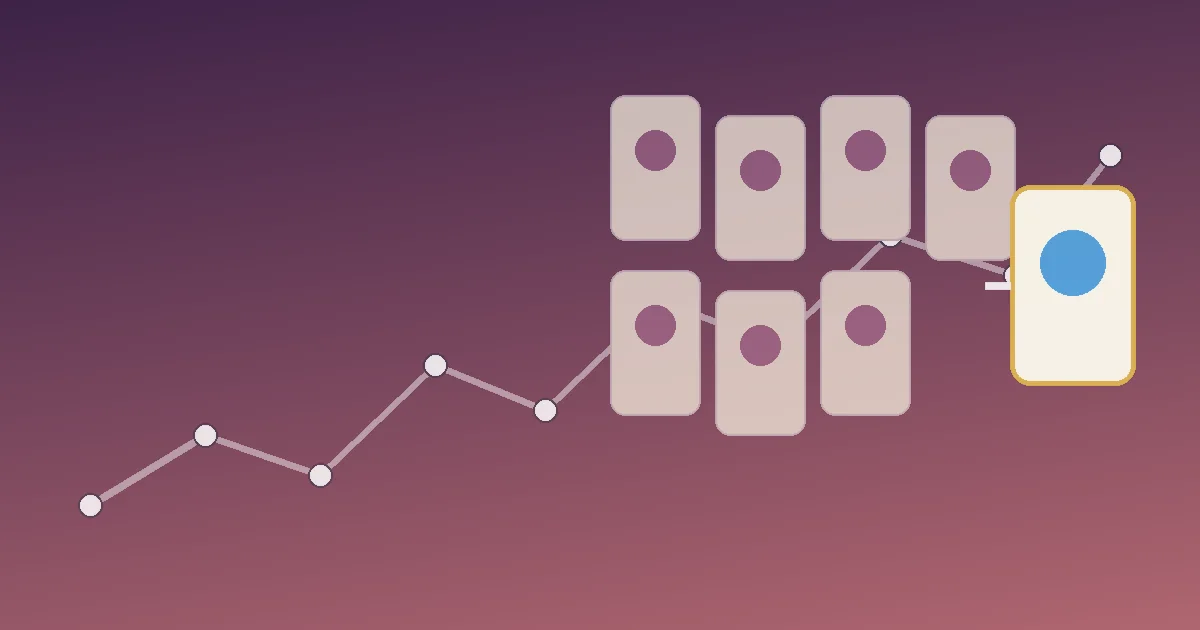
Direct answer: Drawing Tarot on every move overloads the session, blurs the logic of the board and encourages the player to outsource reflection to symbols. It is better used selectively at turning points, after a recurring theme or when the player consciously asks for another perspective.
Why selective use works better
Drawing Tarot on every move breaks the sequence of the board and makes it difficult to tell whether an insight came from the cell, the player’s response, or the card.
When another format is needed
Pause additional draws when notes become contradictory, the urge to redraw appears, or more time is spent decoding cards than answering the Leela cell.
What to keep and what to remove
| Keep | Remove |
|---|---|
| Treat repeated cells and changing wording as signals for hypotheses rather than proof. | Drawing Tarot on every move overloads the session, blurs the logic of the board and encourages the player to outsource reflection to symbols. |
Practical example
After six moves, a player has drawn six Tarot cards and the notes contradict one another. They put the deck aside, return to the board history, and keep only the conclusion supported by their own facts.
How to check the result
After removing unnecessary cards, the conclusion should be explainable from the board history and the player’s own notes, not from the number of symbols drawn.
Questions about this topic
Why should Tarot not be drawn after every move?
Drawing Tarot on every move overloads the session, blurs the logic of the board and encourages the player to outsource reflection to symbols. It is better used selectively at turning points, after a recurring theme or when the player consciously asks for another perspective.
How often should Tarot be added to Leela?
Drawing Tarot on every move breaks the sequence of the board and makes it difficult to tell whether an insight came from the cell, the player’s response, or the card.
How to check the result?
Pause additional draws when notes become contradictory, the urge to redraw appears, or more time is spent decoding cards than answering the Leela cell.
Related Leela guides
- Leela with Tarot: when an extra card is useful
- When to use an additional card in Leela
- Leela with runes: an extra perspective on direction
- Leela with metaphorical cards: associations, not ready answers
- What happens after a move in Leela
- Leela move history
- What a repeated cell means in Leela
- How an AI guide creates the final Leela game summary
FAQ
Why should Tarot not be drawn after every move?
Drawing Tarot on every move overloads the session, blurs the logic of the board and encourages the player to outsource reflection to symbols. It is better used selectively at turning points, after a recurring theme or when the player consciously asks for another perspective.
How often should Tarot be added to Leela?
Drawing Tarot on every move breaks the sequence of the board and makes it difficult to tell whether an insight came from the cell, the player’s response, or the card.
How to check the result?
Pause additional draws when notes become contradictory, the urge to redraw appears, or more time is spent decoding cards than answering the Leela cell.
Sources and editorial method
This material is intended for learning and self-reflection. It does not promise to predict the future and does not replace professional help.