Direct answer: In Leela with AI participants, the human remains the real player while digital roles offer different ways to inspect the answer—for example, checking facts, naming needs, and proposing alternatives. These roles are not separate minds and may repeat the same model error. To make the format useful, give each role one narrow function, limit it to one new contribution, and end the round with the human deciding what to reject, test, or act on.
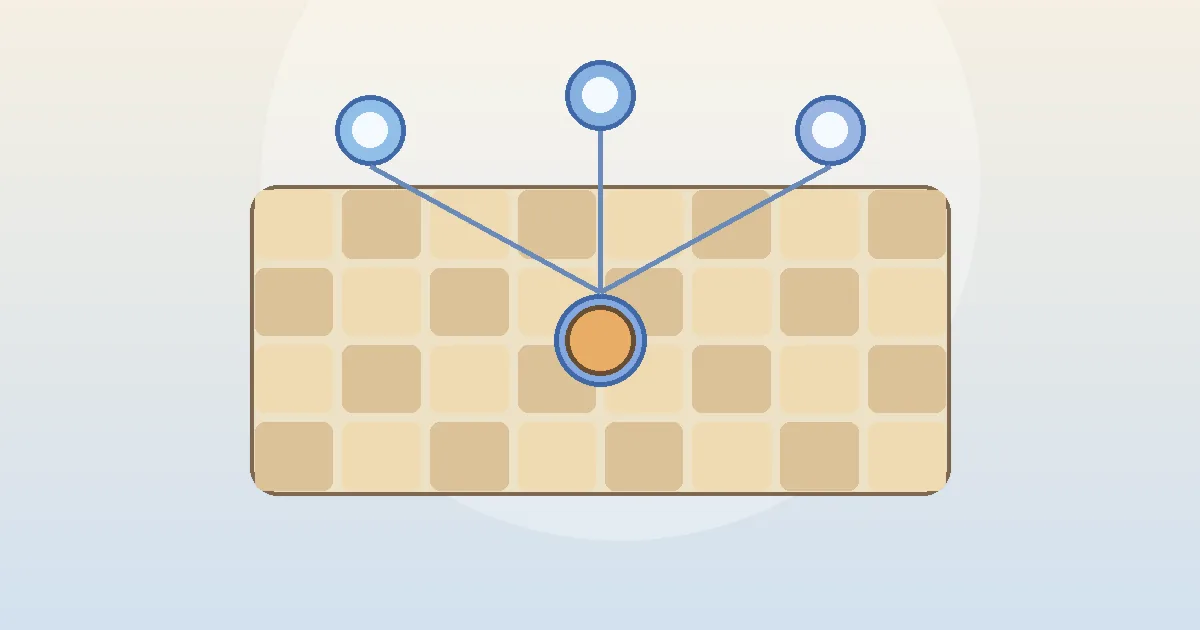
This is a set of functions, not a room of people
Several named avatars can create the impression of independent advice. Yet digital participants may share one model, receive the same information, and reproduce the same bias. They should not be treated as a vote or a confirmation of truth.
A better metaphor is a panel of thinking tools.
Roles that differ in substance
Evidence checker
Separates observable events, asks for a source, and names missing information. It does not decide which option feels preferable.
Needs explorer
Helps the player state what they are trying to protect or obtain without turning that language into a diagnosis.
Alternative builder
Produces an explanation that does not repeat the first interpretation. Its purpose is to reduce premature certainty.
Consequence reviewer
Compares reversibility, cost of error, and conditions that should stop an action.
Not every session needs all four. Three short, functionally different responses are better than seven characters producing interchangeable advice.
A one-move protocol
- The human reads the cell and writes their response.
- Every digital role receives the same limited context.
- Each role contributes one new point and one question.
- Repeated ideas are merged but not counted as votes.
- The player marks each point:
accept,test, ordoes not fit. - One action or next question is selected.
A long debate between AI roles rarely adds evidence. It mainly increases text and may manufacture consensus.
Example: accepting a new job
The player writes, “I am afraid to accept because the new team may be toxic.”
Evidence checker: What observable information about the team is available, and what remains an assumption?
Needs explorer: Predictability and permission to ask questions may matter. What information would create more stability?
Alternative builder: The fear may concern losing a familiar role or facing a probation period rather than the team culture.
Consequence reviewer: Ask for a conversation with a future colleague and clarify probation criteria before signing.
No response tells the player whether to accept. Together they convert a broad fear into checks.
Risks of the format
Synthetic majority
Three roles agree because they inherited the same premise. They are not independent witnesses.
Theatrical personality
A “strict mentor” may sound authoritative, but a character voice adds no evidence.
Overload
Too many suggestions blur the player’s own position. One new thought per role is a useful limit.
Diffused responsibility
“The participants recommend it” does not transfer the consequences away from the human.
When real people are needed
A real group matters when lived experience, a shared decision, trust repair, or an agreement others must actually perform is central. AI cannot consent to an obligation or carry its consequences.
Digital roles are justified when someone is playing alone and wants to challenge the first interpretation. Their purpose is to expand the questions, not to create synthetic authority.
Questions about this topic
Do AI participants need their own pieces?
For a reflective mode, one real human route is usually clearer. Digital roles discuss the human move rather than performing a fictional competing game.
If three AI roles agree, is the conclusion reliable?
No. The roles may use the same model, context, and assumptions. Agreement is not independent confirmation.
Which roles are most useful?
Evidence checker, alternative-hypothesis role, and consequence reviewer differ by function. “Optimist” and “sage” often only change the style.
Does this replace a real group?
No. It cannot create other people’s lived experience, mutual responsibility, or non-verbal communication. It is a tool for widening one person’s analysis.
How do I prevent endless AI discussion?
Use one round, a length limit, and a rule that after three responses only the human speaks and selects the next step.
Related Leela guides
- Leela for one player: a structured solo format
- Leela for groups: size, roles and pace
- Leela with friends: how to organize a session
- Leela with an AI guide: how the full history of moves is used
- AI guide in Leela: benefits and limits
- AI answer vs template interpretation in Leela: the difference
- Privacy of answers in Leela: what other players can see
- Can AI replace a Leela facilitator?
FAQ
Do AI participants need their own pieces?
For a reflective mode, one real human route is usually clearer. Digital roles discuss the human move rather than performing a fictional competing game.
If three AI roles agree, is the conclusion reliable?
No. The roles may use the same model, context, and assumptions. Agreement is not independent confirmation.
Which roles are most useful?
Evidence checker, alternative-hypothesis role, and consequence reviewer differ by function. “Optimist” and “sage” often only change the style.
Does this replace a real group?
No. It cannot create other people’s lived experience, mutual responsibility, or non-verbal communication. It is a tool for widening one person’s analysis.
How do I prevent endless AI discussion?
Use one round, a length limit, and a rule that after three responses only the human speaks and selects the next step.
Sources and editorial method
This material is intended for learning and self-reflection. It does not promise to predict the future and does not replace professional help.