Direct answer: Classic Leela and Reflecta use the same reflective sequence: an intention, movement across a board, a cell theme, the player’s own response and a conclusion. The difference is the medium and how the session is organised. A physical version offers a tangible board and in-person presence; Reflecta can preserve the route, separate shared and private answers, resume a session and provide AI-generated questions. Neither format makes an interpretation automatically true or predictive.
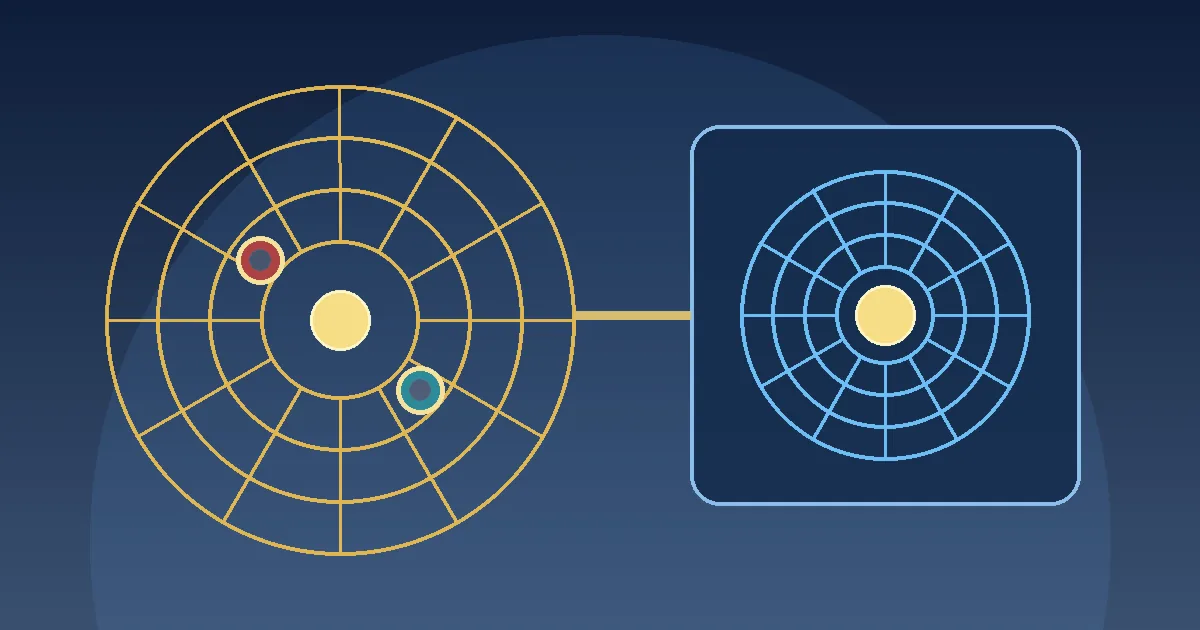
This is not a contest between “real” and “unreal” Leela
The practical difference is not authenticity versus imitation. A board, a book, a digital interface and a facilitator are different ways of organising attention around a reflective process. The meaningful work starts not when a token lands on a cell, but when the player connects that theme with a concrete situation and tests the connection.
Historical Gyan Chaupar boards and contemporary Leela versions do not form one immutable standard. A more useful question is: which rules govern this session, and does the chosen medium help participants follow them clearly?
What should remain constant
Five anchors make either format useful:
- the intention concerns the player and their sphere of influence;
- movement follows rules stated in advance;
- a cell name is not a diagnosis or forecast;
- the player records a first response before receiving an external explanation;
- the conclusion is linked to an observable action or new fact.
A digital interface cannot rescue a session that abandons these anchors. Equally, a screen does not invalidate reflection when the rules and boundaries are clear.
A practical comparison
| Criterion | Physical board | Reflecta |
|---|---|---|
| Medium | board, die and tokens | digital board and session history |
| Presence | usually in person | solo or remote |
| Notes | separate notebook or participants’ memory | entries linked to the route |
| Privacy | depends on the room agreement | personal and shared layers can be separated |
| Guidance | live facilitator or self-guided | solo mode, AI questions and online rooms |
| Pause | position must be recorded manually | a session can be saved and resumed |
These are functions, not guarantees of quality. A live conversation can be thoughtful or coercive; an AI question can be precise or generic. The player retains final responsibility in both cases.
The same intention in two settings
Suppose someone is deciding whether to accept a new role. With a physical board, they write the intention in a notebook, make a move and discuss the cell with a facilitator. In Reflecta, they answer before viewing a prompt, then compare their wording with AI questions and earlier moves.
Both routes can produce the same useful finding: the real obstacle is not a vague “fear of change” but the absence of written workload terms. The next step is to request the document. The board did not choose a job; it helped expose a missing fact.
When each option is more convenient
A physical session is sensible when shared space, embodied pace and direct contact matter. A digital session is more practical when people are in different locations, some answers must remain private, the game spans several days or an exact move log is valuable.
The choice need not be permanent. A first session may happen in person, while later checking and personal notes continue in a digital history. The important part is not to switch rules halfway through the same game and to know where sensitive material is stored.
What technology does not change
Neither a physical board nor Reflecta reveals a partner’s thoughts, confirms an inevitable future or replaces medical, legal or financial advice. Arrows, snakes and cell numbers do not measure a person’s worth.
A good format leaves a clear record: what was observed, what remains a hypothesis, which question is still open and which reversible action could produce new information.
Questions about this topic
Does Reflecta replace classic Leela?
No. It is a digital way to organise a related reflective process. A physical board suits people who value shared space and tangible ritual; Reflecta is convenient for solo, remote or interrupted sessions.
Are the rules identical in physical and digital Leela?
Not necessarily. Historical and modern boards vary. Check the rules of the chosen version instead of assuming that every board uses the same transitions and ending.
What can Reflecta save?
A digital session can preserve the intention, route, cells and confirmed answers. The exact history depends on the feature; text left only in an input box should not be assumed to be saved.
Does an AI guide make digital Leela more accurate?
No. AI can maintain context and ask useful questions, but it can also be wrong. Accuracy comes from checking claims against facts and later actions, not from the technology alone.
How do I choose between the formats?
Choose a physical session for in-person shared experience; choose Reflecta when you need private notes, remote participation, saved progress or an individual pace. The two formats can serve different occasions.
Related Leela guides
- Leela online versus offline: board, pace, and shared play
- Why Leela rules differ
- Leela board guide: cells, movement, and transitions
- How progress is saved in online Leela
- Leela for one player: a structured solo format
- Leela for groups: size, roles and pace
- AI guide in Leela: benefits and limits
- Leela with a live facilitator: role and boundaries
FAQ
Does Reflecta replace classic Leela?
No. It is a digital way to organise a related reflective process. A physical board suits people who value shared space and tangible ritual; Reflecta is convenient for solo, remote or interrupted sessions.
Are the rules identical in physical and digital Leela?
Not necessarily. Historical and modern boards vary. Check the rules of the chosen version instead of assuming that every board uses the same transitions and ending.
What can Reflecta save?
A digital session can preserve the intention, route, cells and confirmed answers. The exact history depends on the feature; text left only in an input box should not be assumed to be saved.
Does an AI guide make digital Leela more accurate?
No. AI can maintain context and ask useful questions, but it can also be wrong. Accuracy comes from checking claims against facts and later actions, not from the technology alone.
How do I choose between the formats?
Choose a physical session for in-person shared experience; choose Reflecta when you need private notes, remote participation, saved progress or an individual pace. The two formats can serve different occasions.
Sources and editorial method
This material is intended for learning and self-reflection. It does not promise to predict the future and does not replace professional help.